

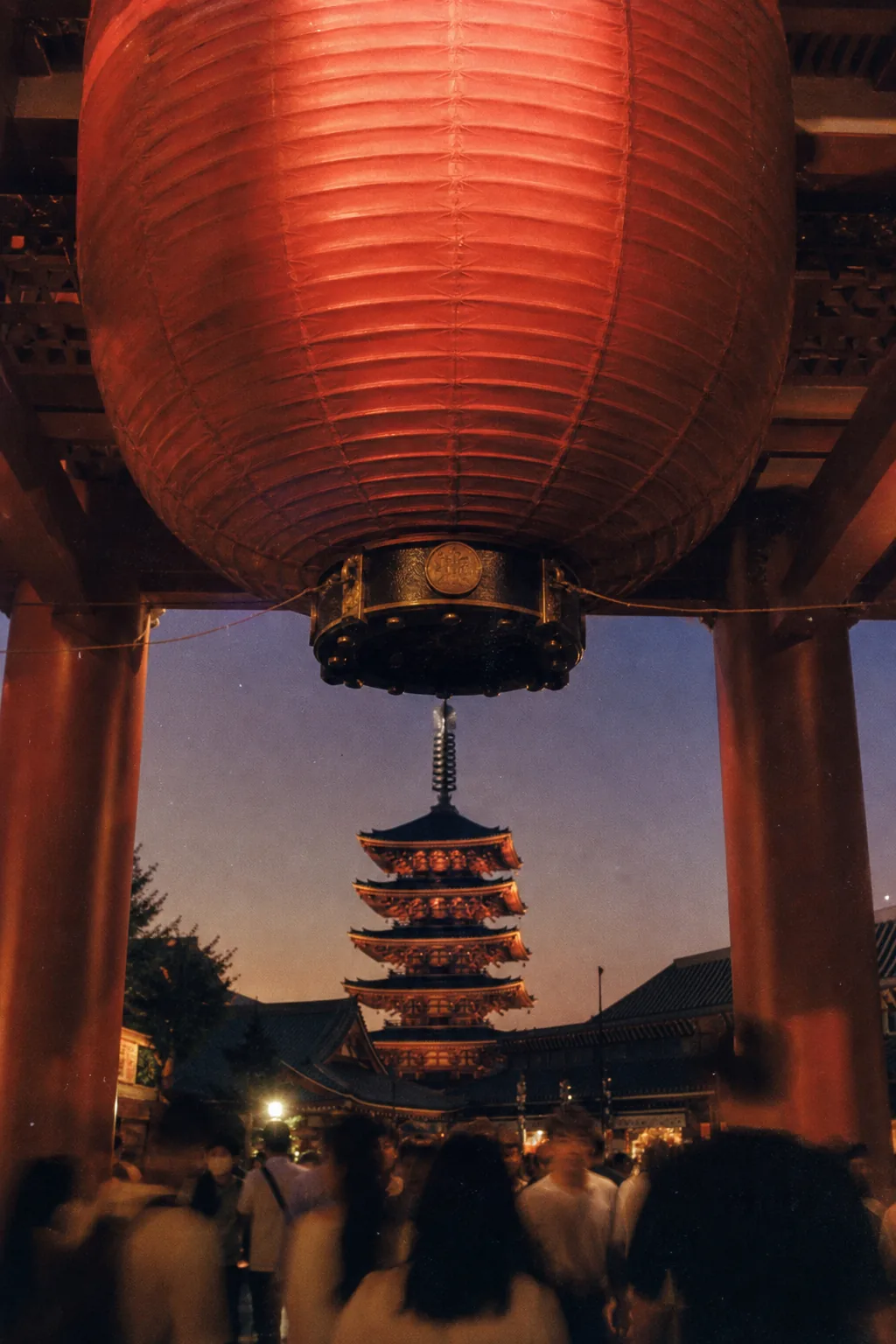
Touchdown
Haneda →train 50′→ Shinjuku (bags) →metro 40′→ Sensō-ji →walk 5′→ Nakamise street food →walk 8′→ Sumida riverside →metro 45′→ Shinjuku dinner
Route map · hop-by-hop
route on foot 0.9 (0.7 straight-line ×1.3) + Sensō-ji grounds ~0.8 + Sumida riverside stroll ~1.5
Nakamise is arcaded and Sensō-ji's main hall is covered; if it is pouring, drop the riverside and take the Asakusa Underground Shopping Street (Japan's oldest, 1955, all indoors) into an early izakaya on Hoppy Street.
running >1 h late → drop Sumida Park, then Nakamise. Sensō-ji's grounds never close, so the temple itself is the last thing to go.
Sacred Wood
Meiji Jingū →walk 9′→ Yoyogi Park →walk 18′→ Omotesandō lunch →metro 20′→ Shinjuku Gyoen →walk 25′→ Omoide Yokochō dinner
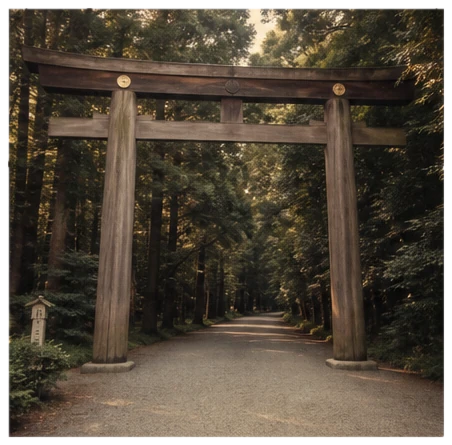
Route map · hop-by-hop
route on foot 5.3 + Meiji Jingū gravel approach and Shinjuku Gyoen circuit ~2.0
Shinjuku Gyoen's Taiwan Pavilion and greenhouse are both indoors. In real rain, swap the garden for the free observatory at the Metropolitan Government Building (closed the 1st and 3rd Tuesday — a Sunday is safe) plus the Isetan Shinjuku depachika food hall.
drop Yoyogi Park first, then shorten Omotesandō. Shinjuku Gyoen's 16:00 last entry is the hard stop of the day and nothing goes after it.
Market Day
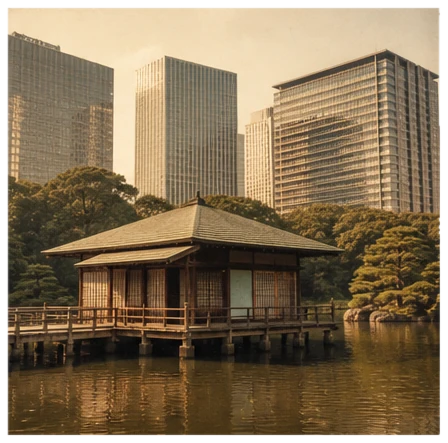
Tsukiji Outer Market →walk 13′→ Hamarikyū Gardens →metro 25′→ Zōjō-ji →walk 6′→ Shiba Park at dusk →metro 45′→ Shinjuku
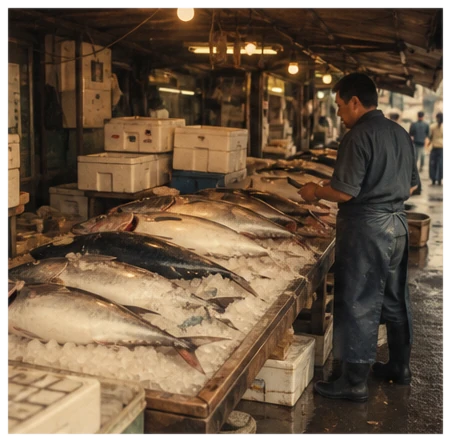
Route map · hop-by-hop
route on foot 1.6 + Tsukiji lanes ~1.0 + Hamarikyū pond circuit ~1.5 + Zōjō-ji & Shiba ~1.0
Hamarikyū's Nakajima teahouse sits over the water with a roof; for real rain replace Shiba Park with Tsukiji Hongan-ji (free, an Indian-styled Buddhist hall five minutes from the market) or the Ginza Mitsukoshi depachika one stop away.
drop Shiba Park, then cut Hamarikyū to the tidal pond and the teahouse only.
Steam & Lake
Romancecar 85′→ Hakone-Yumoto →Tozan 40′→ Gōra lunch →cable+ropeway 35′→ Ōwakudani →ropeway 25′→ Tōgendai →cruise 30′→ Moto-Hakone →walk 14′→ Hakone Shrine →bus 40′→ ryokan
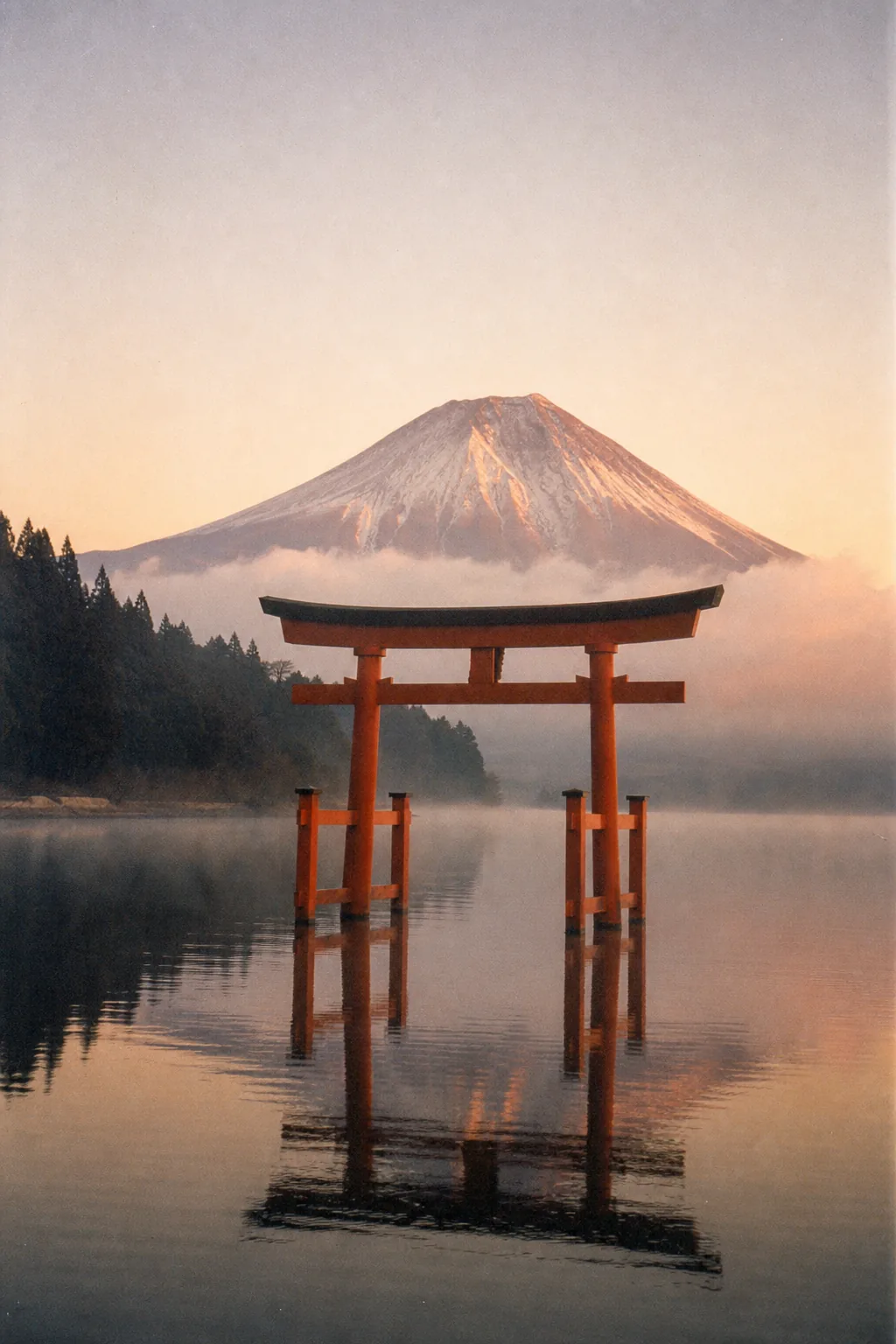
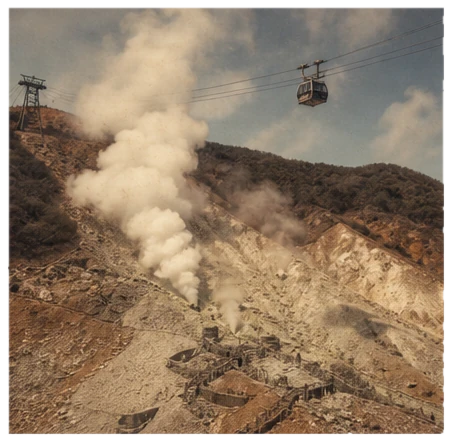
Route map · hop-by-hop
route on foot 1.8 + Ōwakudani boardwalk ~0.5 + Gōra ~0.5 + the shrine's cedar avenue ~1.5
The ropeway suspends on high volcanic-gas readings or wind; the Freepass covers the substitute bus Sōunzan→Tōgendai. A washed-out day swaps Ōwakudani for the Hakone Open-Air Museum (indoor Picasso pavilion, Freepass discount) — it is open daily 09:00–17:00.
miss the ~15:00 cruise → take the H-line bus straight from Tōgendai to Hakone-Yumoto and go to the onsen an hour early. Nothing here is worth arriving at the ryokan after dark for.

Night Maples
Odawara →Shinkansen 2h35→ Kyoto →subway 15′→ hotel →bus 25′→ Sannenzaka →walk 10′→ Kiyomizu-dera night illumination →walk 20′→ Yasaka Shrine → Gion dinner
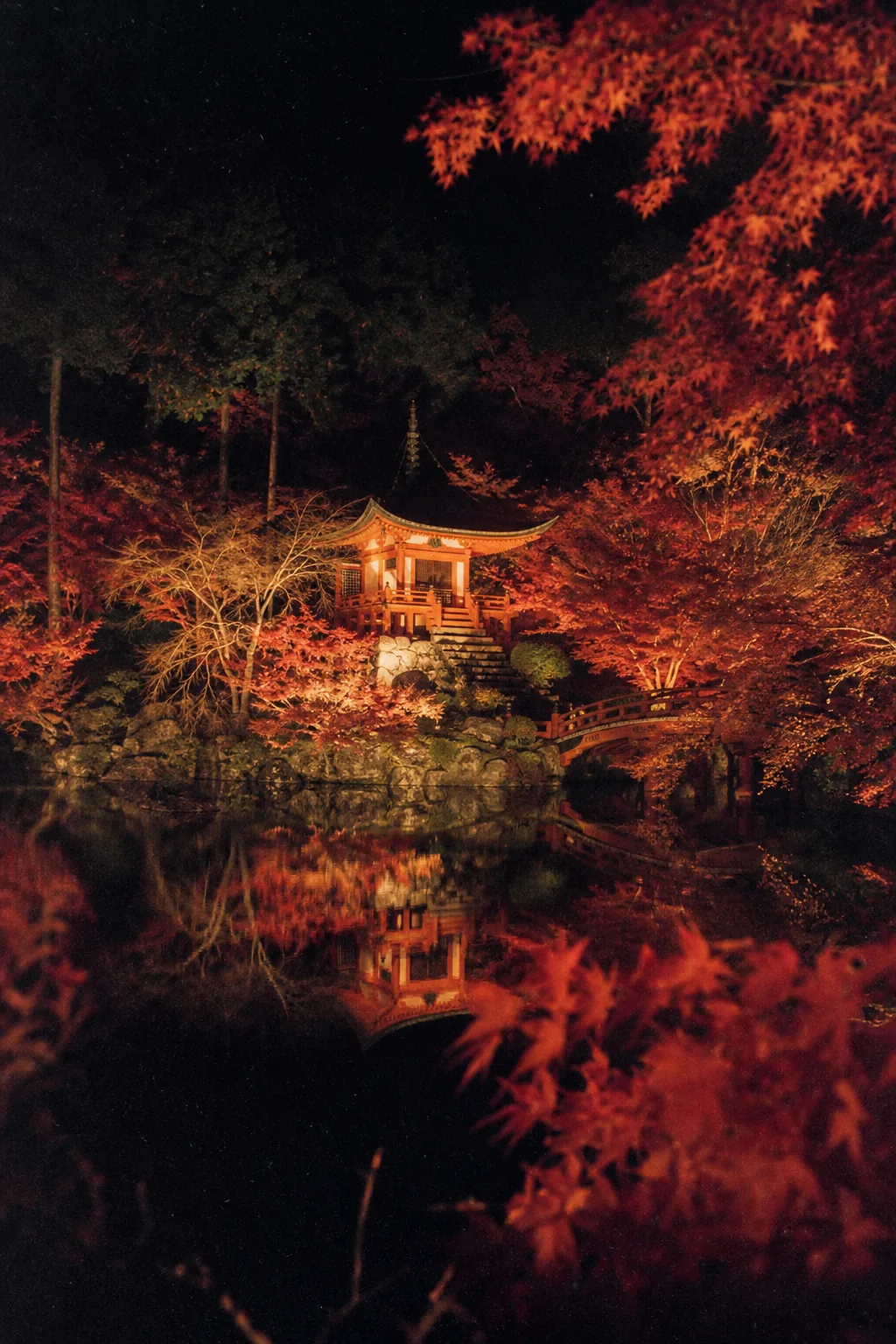
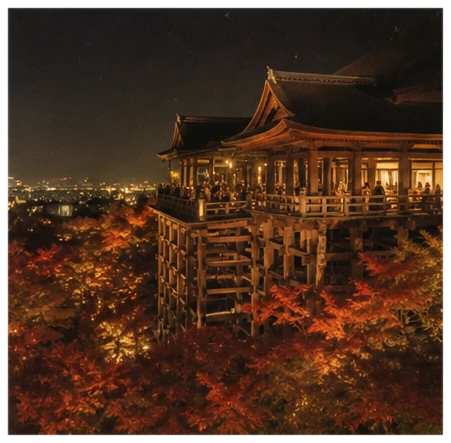
Route map · hop-by-hop
route on foot 2.0 + Sannenzaka/Ninenzaka lanes ~1.2 + Kiyomizu terrace circuit ~1.3
Wet stone on the Sannenzaka steps is genuinely dangerous in smooth soles. In rain, take the bus to Kiyomizu-michi and go straight up, then spend the gap in the covered Nishiki arcade instead of the lanes.
the Shinkansen decides this day. Arriving after 14:00 → drop the Sannenzaka lanes and go straight to the 17:30 night opening; Kiyomizu's last entry is 21:00 and there is a lot of slack after dinner.

Bamboo Dawn
Arashiyama Bamboo Grove 07:20 →walk 5′→ Tenryū-ji →walk 11′→ Togetsukyō →lunch→ rail 40′→ Nishiki Market →walk 10′→ Pontochō dinner
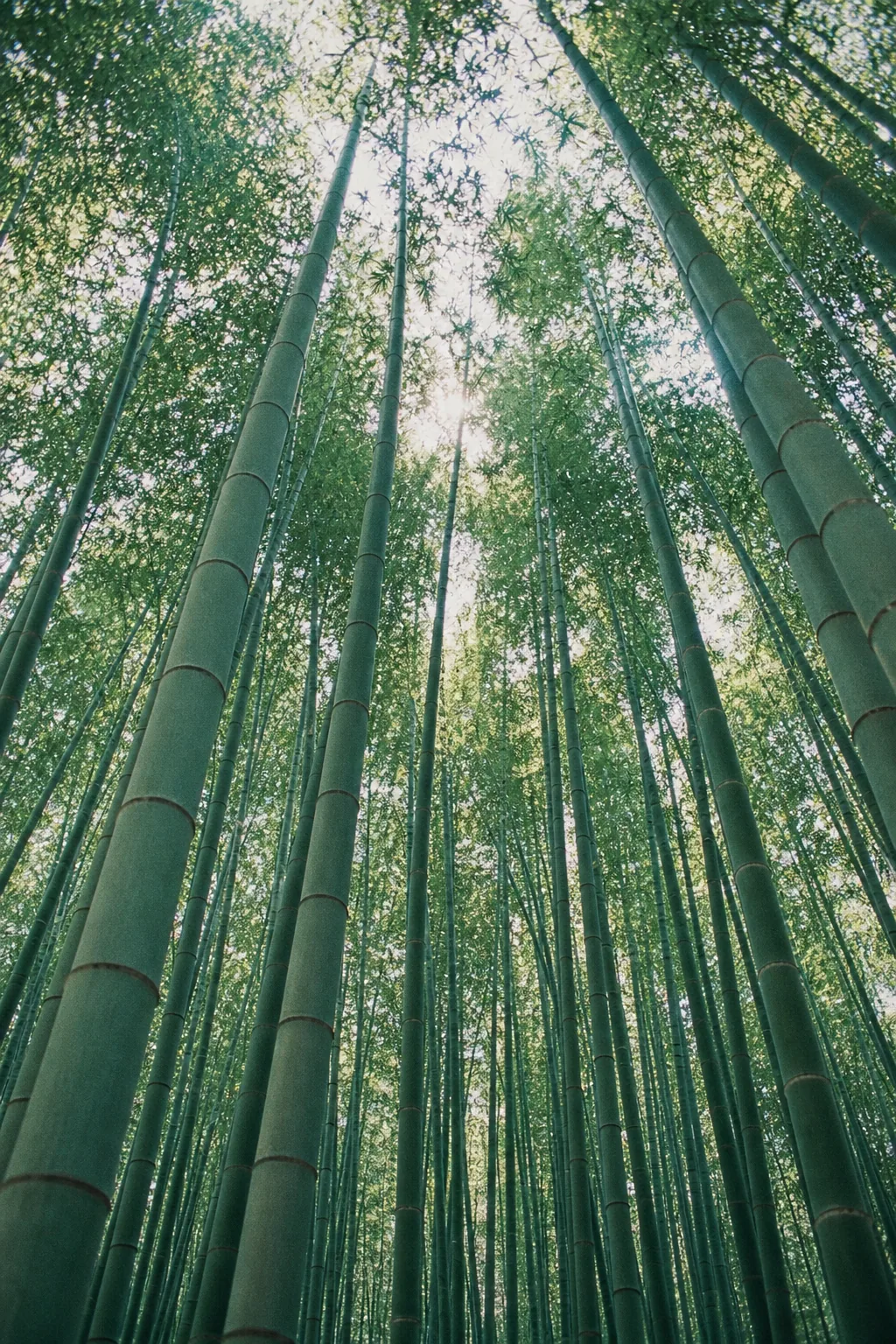
Route map · hop-by-hop
route on foot 3.1 + bamboo path ~1.0 + Tenryū-ji garden ~1.2 + Nishiki arcade ~1.0 + Katsura riverbank ~1.3
Tenryū-ji's Hōjō veranda faces the pond under a roof and the Nishiki arcade is fully covered — this day survives rain better than any other. If the riverbank is a write-off, take the Randen tram to Ryōan-ji and watch the rock garden from the viewing hall.
the whole day hangs on the 07:20 grove. Miss it and the grove becomes unusable until dusk — in that case reverse the day: Nishiki first, Arashiyama at 15:00 for the light instead of the quiet.
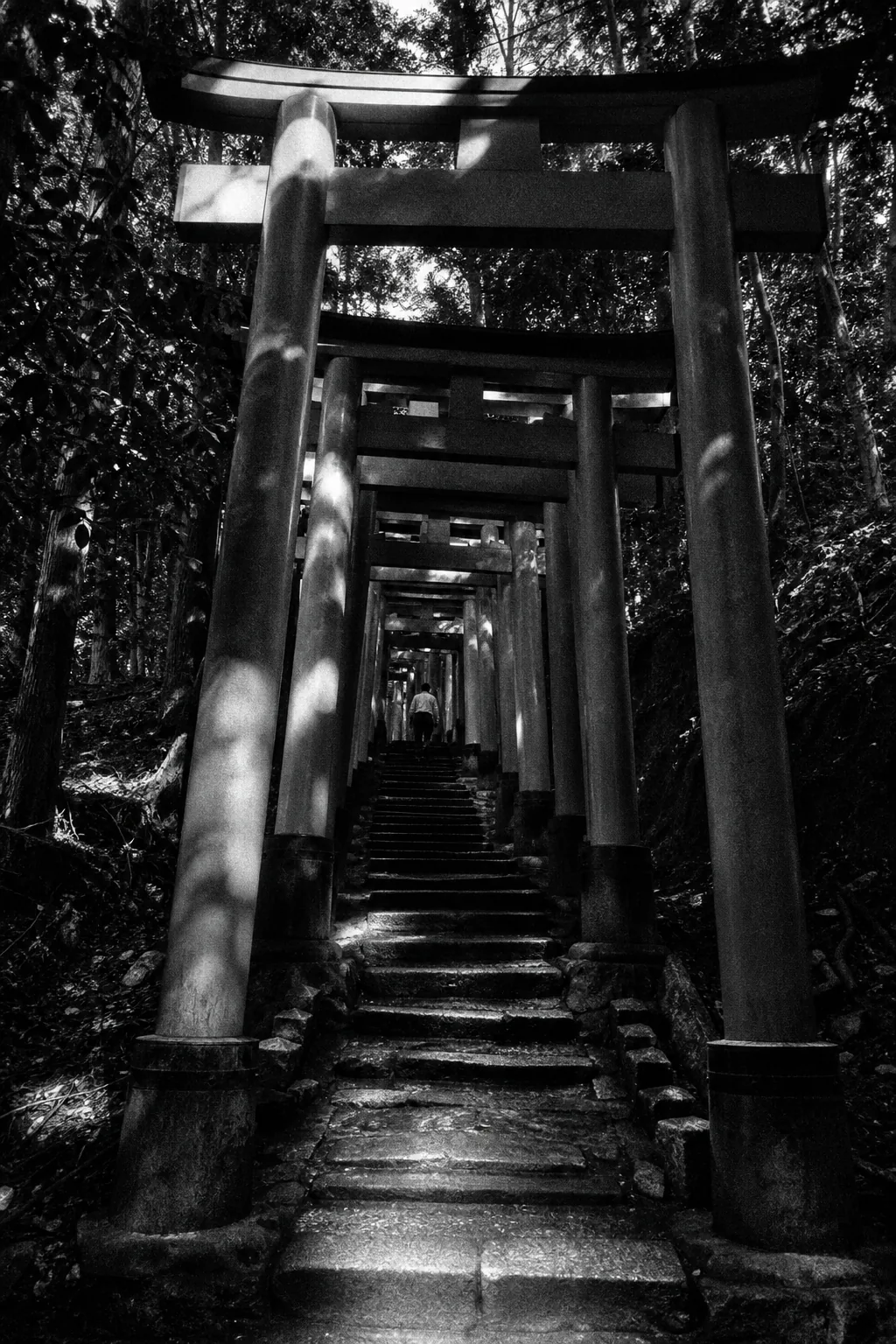
Torii to Flame
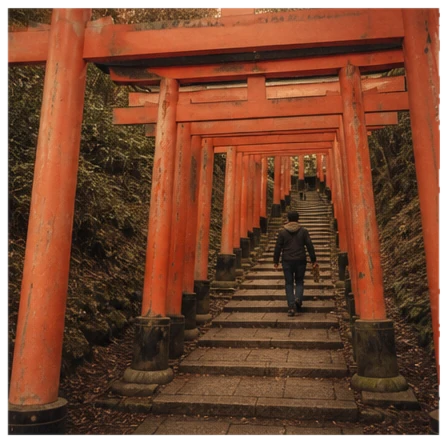
Fushimi Inari 06:55 →rail 12′→ Tōfuku-ji →rail 35′→ Nanzen-ji lunch →walk 15′→ Philosopher's Path →walk 13′→ Eikan-dō night illumination
Route map · hop-by-hop
route on foot 1.8 + Inari climb to Yotsutsuji and back ~2.5 + Tōfuku-ji ravine ~1.0 + Philosopher's Path there-and-back ~2.0 + Eikan-dō ~0.5 — the longest day, right at the 8 km ceiling
Tōfuku-ji's covered corridors and Nanzen-ji's Hōjō rooms both work wet. Rain kills only the Philosopher's Path; replace it with the Kyoto Municipal Museum of Art in Okazaki, five minutes from Eikan-dō.
drop the Philosopher's Path first, then Nanzen-ji's Sanmon climb. Eikan-dō's 20:00 last entry is the hard stop, and the queue there is the risk — be in it by 18:00.
Homeward
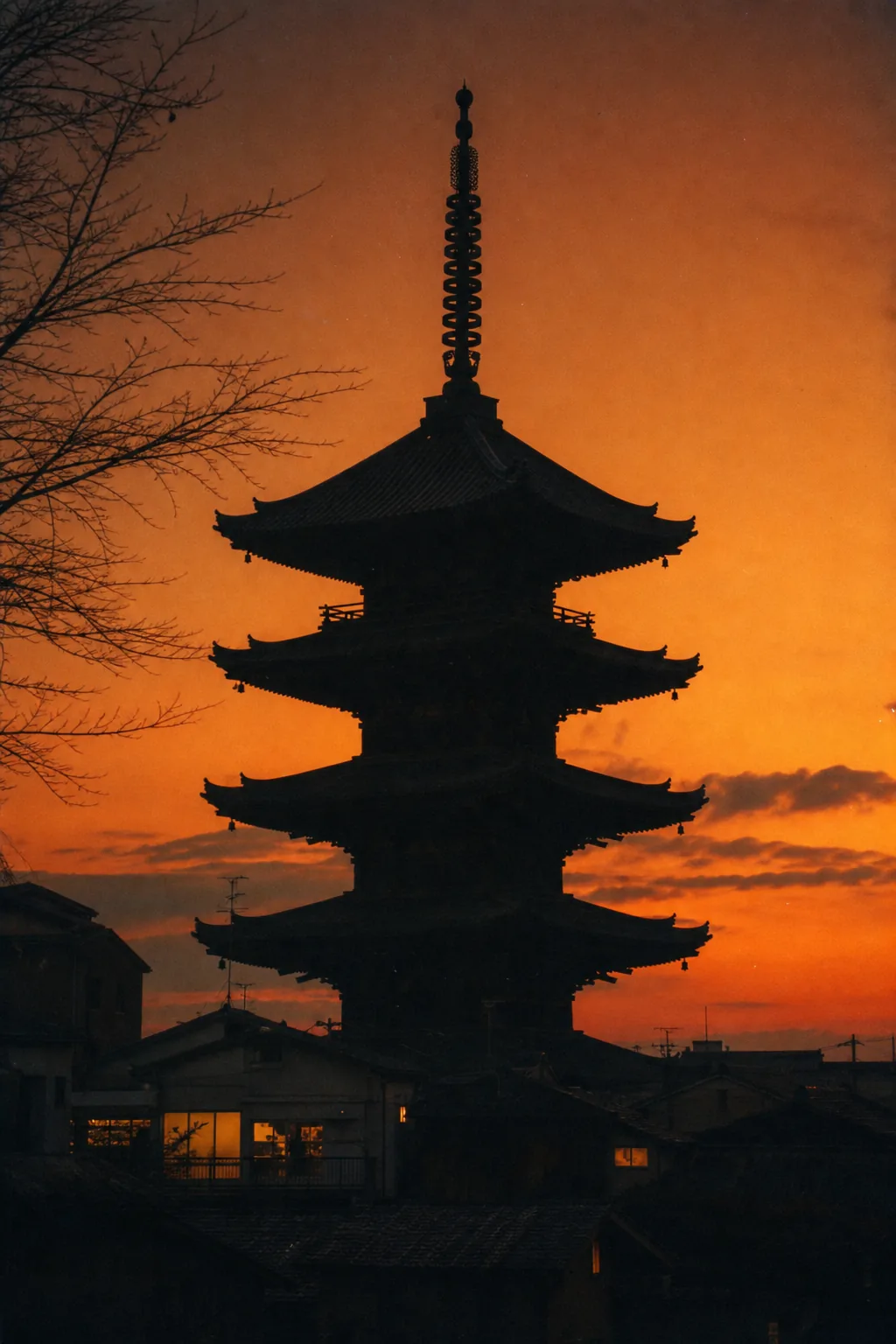
Tō-ji 09:15 →walk 18′→ Kyoto Station lunch →Haruka 80′→ KIX →3 h buffer→ LHR
Route map · hop-by-hop
route on foot 1.5 + Tō-ji grounds ~1.0
Tō-ji's pagoda is outdoors but the Kondō and Kōdō halls are not; in rain, do the halls, skip the garden loop and spend the extra 30 minutes in the Kyoto Station food halls.
the flight is the only fixed point. Anything wobbles → skip Tō-ji entirely, take the 11:30 Haruka and eat at the airport.

Appendix
COLOPHON · INDEXFlights & legs
FLIGHTS
Backup
LHR→NRT nonstop (JAL/ANA/BA/Virgin) — add ~¥3,000 pp and 60–90 min for the Narita Express into town
Backup
if the KIX connections are ugly: Kyoto → Tokyo Shinkansen (2 h 15) the evening before + nonstop HND→LHR — costs one extra hotel night
Backup
Odakyu express + change at Odawara — same Freepass, ~20 min slower, no reservation needed
only a handful of Hikari services stop at Odawara — this is the one timetable to check before anything else on day 5
Backup
Kodama all the way (≈2 h 50, no transfer) if no Hikari calls at Odawara at the hour you want
Backup
Limousine bus Kyoto Station → KIX, ~1 h 30, ¥2,600 pp — better if the Haruka is packed
Stays
STAYS
Tokyo · 3 nights (21–24 Nov) · Shinjuku (west side / Nishi-Shinjuku)
the Romancecar to Hakone leaves from Shinjuku, so day 4 starts at your own front door · Shinjuku Gyoen is a walk · the Yamanote and four metro lines are one station · lit and busy at every hour, so nothing on this trip needs a dark walk
- Business-hotel tier (Sotetsu Fresa Inn / Daiwa Roynet / Tokyu Stay class) ¥22,000–30,000/night for two
- Step up (Keio Plaza / Hyatt Regency Tokyo class) ¥32,000–45,000/night for two
Hakone · 1 night (24–25 Nov) · Hakone-Yumoto or Gōra
Yumoto is the Romancecar terminus and the bus hub, so the day can end anywhere on the loop and still get you back · Gōra is quieter and higher but adds a leg at both ends
- Mid-tier onsen ryokan, half board (Ichinoyu group / Yaeikan class) ¥40,000–70,000/night for two, dinner + breakfast in
- Room with a private open-air bath (kashikiri / 露天風呂付) ¥70,000–110,000/night for two
Kyoto · 3 nights (25–28 Nov) · Shijō-Karasuma / Karasuma-Oike
the Karasuma subway and the Hankyū line cross here, so Arashiyama, Fushimi Inari and Kyoto Station are each one ride · Nishiki Market and Pontochō are on foot · flat pavements, which Higashiyama is not, and you are wheeling cases
- Mid-tier city hotel (Mitsui Garden Kyoto Shinmachi / Daiwa Roynet Shijō Karasuma class) ¥30,000–50,000/night for two in peak koyo week
- Fallback: Kyoto Station south side (Hachijō exit) ¥20,000–34,000/night for two
Budget
BUDGET| Item | Per person | Total | Note |
|---|---|---|---|
| flights (open-jaw, 2 adults) | £925–1,450 | £1,850–2,900 | Google-cache scan 2026-08-15; the cheap end is a 30–40 h multi-stop, the top of the band buys a nonstop out |
| hotels (7 nights, 2 adults) | £455–775 | £910–1,550 | Tokyo ¥66–114k · Hakone ryokan half board ¥40–70k · Kyoto peak-week ¥90–150k |
| intercity + local transport | £158 | £316 | Hakone Freepass ¥7,100 + Romancecar ¥1,200 + Shinkansen ≈¥12,300 + Haruka ¥3,110 + ~¥8,000 local, per person; plus ¥4,600 takkyūbin for the two cases |
| temple and garden admissions | £26 | £52 | Shinjuku Gyoen ¥500 · Hamarikyū ¥300 · Kiyomizu ¥400 · Tenryū-ji ¥800 · Tōfuku-ji ¥1,000 · Nanzen-ji ¥600 · Eikan-dō ¥600 · Tō-ji ¥800 · Meiji inner garden ¥500 |
| food (7 days; the ryokan dinner is in the hotel line) | £300 | £600 | ≈¥9,000 pp/day — konbini breakfast, market lunch, a proper dinner |
| eSIM + travel insurance | £40 | £80 | |
| buffer (12%) | £230–310 | £460–620 | FX drift, koyo-week hotel moves, the fee jumps that peak-season entry brings |
| TOTAL | £2,135–3,100 | £4,270–6,200 | at £1 = ¥215.25 / $1.3537, ECB via frankfurter.dev 2026-08-14 |
| Total | £4,300 – £6,200 for two, all in (midpoint ≈ £5,200) | ||
Checklist
CHECKLIST
- Travel-medical insurance for two (incl. repatriation) — at the moment you book flights · £40–80 for two link
the UK has no reciprocal healthcare agreement with Japan — a GHIC is worthless there
- Kyoto hotel, refundable, 25–28 Nov — NOW (≈14 weeks out) · ¥30,000–50,000/night link
most 3★+ central Kyoto rooms are gone ~12 weeks before peak koyo week; re-shop 2–3 weeks out
- Hakone onsen ryokan with half board, 24–25 Nov — NOW · ¥40,000–70,000 for two, dinner + breakfast included link
if either of you has a tattoo, filter for a room with a private bath (kashikiri / 露天風呂付) — most public baths still refuse
- Tokyo hotel, Shinjuku, 21–24 Nov — 8–10 weeks out · ¥22,000–38,000/night link
- Tōfuku-ji advance ticket (peak-season entry) — when the autumn window opens, ~1 month before · ¥1,000 pp link
sold via 7-Eleven / the KCB ticket system; strongly recommended for the 25 Nov – 5 Dec peak
- Eikan-dō evening illumination — 2–3 weeks before · ¥600 pp evening entry link
reservations are advised for weekend evenings; we are on a Friday, which is the softer night
- Hakone Freepass (2-day, from Shinjuku) + Romancecar seats — 1–2 weeks before · ¥7,100 + ¥1,200 pp link
Romancecar seats are reserved and do sell out on autumn weekdays
- Shinkansen Odawara → Kyoto, reserved — opens 1 month before, book then · ≈¥12,300 pp link
only a few Hikari services call at Odawara — pick the train first, then the day's start time
- Haruka reserved seat Kyoto → KIX (or the ICOCA & HARUKA package) — 2 weeks before · ≈¥3,110 pp link
- Visit Japan Web — immigration + customs QR codes for both of you — any time before departure, do it a week out · free link
saves 20–30 minutes at Haneda arrivals on a Saturday morning
- eSIM, 8 days / 10 GB ×2 — the week before · £8–12 each link
- Takkyūbin forwarding of the two big cases, Tokyo → Kyoto hotel — hand them to the Tokyo front desk before 10:00 on 24 Nov · ≈¥2,300 per case link
tell the Kyoto hotel the cases are coming; ask the Tokyo desk to write the Kyoto address in Japanese
- Re-confirm every opening time, fee and illumination date — 2 weeks before travel ·
these dates are >3 months out: what is verified below is the SEASONAL PATTERN, not the published 2026 calendar. Kiyomizu-dera announces its autumn night-viewing dates around September.
Before you go
NOTESVisa & entry
UK passport = visa-free for up to 90 days as a tourist; no ETA scheme applies in 2026. Register both of you on Visit Japan Web for the immigration and customs QR codes. You will be asked for an onward ticket at the desk — have the KIX→LHR booking on your phone. verify at gov.uk/foreign-travel-advice/japan before you book, not after.
Holidays & crowds
One collision in the window: Monday 23 Nov, Labour Thanksgiving Day (勤労感謝の日), from date.nager.at. Temples and gardens stay open; the Tsukiji Outer Market and small shops may not, day-trip towns and shinkansen seats fill with domestic travellers, and hotel rates on the 22nd–23rd sit above the rest of the week. Culture Day (3 Nov) is before the window. No festival closures found for these dates in Tokyo, Hakone or Kyoto.
Weather
Same dates last year (Open-Meteo archive, 2025-11-20→29): Tokyo 16 / 7 °C, Hakone 16 / 8 °C, Kyoto 15 / 5 °C; 1–2 wet days in ten, 7–13 mm total. Roughly 10 h of daylight — sunrise ~06:20, sunset ~16:30 in Tokyo and ~16:47 in Kyoto. Kyoto's basin is genuinely cold after dark: the two night illuminations are 2 h standing still at 6 °C. Pack a real coat, not a fleece.
Foliage
Kyoto's 2026 koyo forecast is roughly 25 Nov – 7 Dec with maximum density around 29 Nov – 3 Dec; the Kyoto half of this trip (25–28 Nov) sits on the opening shoulder of that peak. Tokyo runs about a week behind Kyoto for maples but its ginkgos (Yoyogi, Omotesandō) are gold in exactly this week. a forecast, not a fact — an early cold snap moves it a week either way.
Money
Cards work almost everywhere in Tokyo and Kyoto now, but carry ¥15,000–20,000 cash between you: shrine offering boxes, temple entry windows, city buses, Nishiki stalls and the Hakone black-egg hut are cash or IC only. 7-Eleven and Japan Post ATMs take UK cards; most bank ATMs do not. Tipping is not a thing — don't.
Connectivity
eSIM, 10 GB / 8 days, £8–12 each; activate before you leave. Free wifi is widespread and slow. Get IC cards (Suica/Pasmo/ICOCA, or Suica in Apple Wallet) on arrival — they pay for every train, metro, bus and half the vending machines on this route, and physical-card availability for visitors has been on and off since 2023, so the phone wallet is the reliable route.
Plugs
Type A, two flat pins, 100 V. UK plugs do not fit; phone and laptop chargers are dual-voltage so an adapter is enough, but a hairdryer or shaver may not be.
Insurance
Travel-medical cover with repatriation, for both of you. There is no reciprocal healthcare agreement between the UK and Japan and a GHIC is worthless here — a hospital admission is billed in full.
Safety
Low-crime by any standard, and this route needs no dark walks: Shinjuku, Shijō-Karasuma and Hakone-Yumoto are all lit and busy at the hours we use them. The real hazards are physical, not criminal: crowd density at Kiyomizu and Tōfuku-ji in peak week, and wet polished stone on the Sannenzaka steps and the Kiyomizu approach. Bring shoes with grip. Earthquake drill: get under something, stay away from the windows, then follow the staff.
Key decisions
DECISIONS- Open-jaw: fly into Haneda, home out of Kansai. It refunds the 2 h 15 Shinkansen backtrack to Tokyo and one more Tokyo hotel night. Cost: there is no nonstop KIX→LHR, so the way home has one connection. If you would rather have the nonstop home, swap day 8 for Kyoto→Tokyo by Shinkansen and a night near Haneda.
- Dates 21–28 Nov chosen against the foliage ramp, not the calendar: Tokyo first (colour still arriving), Kyoto last (Kyoto's 2026 koyo forecast is ~25 Nov – 7 Dec). Going the other way round would have shown you two half-turned cities.
- Three bases in eight days: Tokyo ×3 nights, Hakone ×1, Kyoto ×3. Hakone breaks the ≥2-nights rule on purpose — in Hakone the ryokan (onsen + kaiseki + futon) IS the anchor, and a second night would cost a Kyoto night in peak week.
- No JR Pass. This route earns ~¥16,000 pp of JR travel; the 7-day national pass is ~¥50,000. Point-to-point tickets plus the Hakone Freepass win by a wide margin.
- The two large cases are forwarded Tokyo hotel → Kyoto hotel by takkyūbin on day 4 (~¥2,300 each, next-day). Hakone is done on an overnight bag: the Tozan switchback train, the cable car and the ropeway are all bad places to hold a 23 kg case.
- Monday 23 Nov is a national holiday (Labour Thanksgiving). That day is deliberately a market + garden + temple day inside Tokyo with an 07:30 start, not a Kamakura or Nikkō day trip — domestic crowds hit day-trip towns hardest.
- Named restaurants are not in this plan on purpose; food is given as areas (Nakamise, Omoide Yokochō, Tsukiji, Nishiki, Pontochō). Kyoto restaurant listings churn faster than a plan written three months out can survive.
Verify before booking
UNVERIFIED- Flight prices and times. flight_scan returned Google's cache for the two open-jaw halves (LHR→HND from $1,120, KIX→LHR from $1,338, both queried for 2 adults on 2026-08-15) but surfaced only multi-stop rows; the nonstop LHR–HND was not in the cache, and whether the price is per passenger or total is not something the scanner states. Everything about the flights is 'verify at the link'.
- Shinkansen Odawara→Kyoto fare (≈¥12,300 pp) and which Hikari services call at Odawara. Two searches did not produce a yen fare; check smart-ex.jp.
- Kiyomizu-dera's 2026 autumn night-viewing dates (given as 21–30 Nov) come from secondary sources, not the temple. The temple publishes around September.
- Tō-ji's autumn special-viewing fee (≈¥800 pp).
- Whether the Tsukiji Outer Market trades on Monday 23 Nov, a national holiday. The Sunday/Wednesday closure is solid; the holiday rule is per-shop.
- All hotel and ryokan bands are seasonal ballparks from price-guide articles, not live quotes for these dates. No OTA was scraped.
- Every hop duration marked (est) is a straight-line estimate from route_tools, not a Google Maps transit lookup.
- Opening hours across the board are the SEASONAL PATTERN as of 2026-08-15, not the published November 2026 calendar — the trip is three months out and nobody publishes that far ahead. Re-confirm two weeks before travel.